The Pros and Cons of DIY Furnace Repair
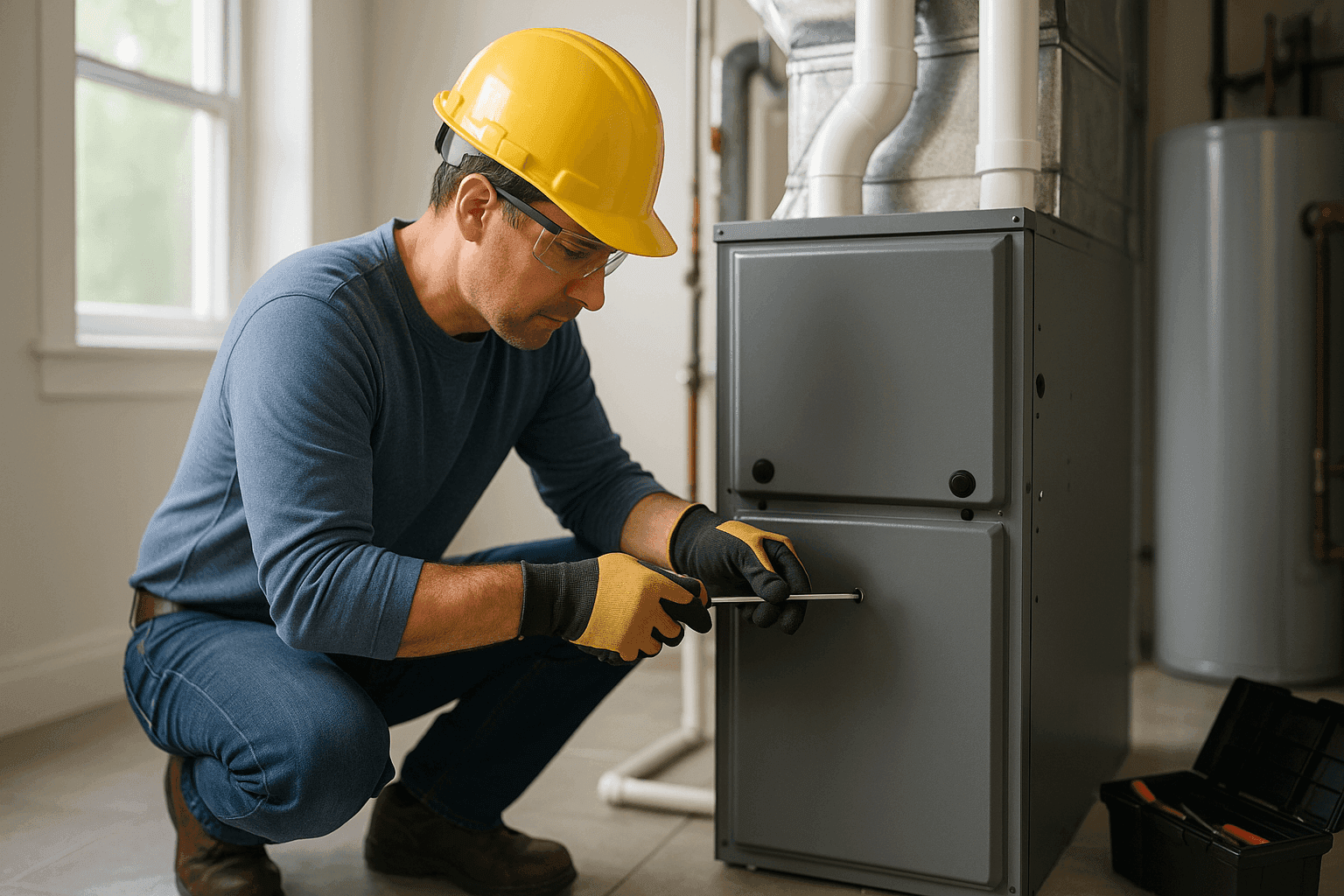
Is your furnace acting up? Maybe the heat’s out, or your energy bill is climbing higher each month. It’s tempting to grab a wrench and dive in. After all, who doesn’t want to save time and money—especially when winter’s breath is knocking on the door?
But the line between DIY hero and household hazard can be thin. At I.Z. Heating, we know that well-meaning homeowners can run into trouble fast. Let’s walk through what you can (safely) do yourself, and when it’s time to call in a pro.
When Your Furnace Stops Working: The Real Problem
A cold house in winter feels like a ticking clock. Every minute without heat feels longer, especially if you have kids, pets, or older adults at home. For some, it’s just a matter of comfort. For others, it’s a real safety concern.
But before you reach for the toolbox, remember: furnaces are complex. There’s more going on under the hood than most people realize. Electrical connections, gas lines, and delicate control boards—messing with the wrong part can mean more than just a chilly night.
Quick Safety Checklist 🔥
Before you do anything, run through these safety checks:
- Smell gas? Stop. Leave the house and call your utility company.
- Power off. Always turn off the furnace at the breaker before inspecting.
- Wait for cool-down. Hot surfaces can burn you.
- Keep kids and pets away from the work area.
- Wear gloves and safety glasses, even for simple tasks.
When in doubt, safety wins over speed every time. The U.S. Consumer Product Safety Commission and local building codes back this up—don’t take chances with heating equipment.
DIY Furnace Fixes: What’s Actually Safe to Try?
Some things are like changing the batteries in your TV remote—simple, safe, and easy to do at home. Others are like rewiring your car’s brakes. Let’s sort them out.
Safe DIY Tasks:
- Change the furnace filter. Dirty filters choke airflow and make your system work harder. Swap these out every 1–3 months.
- Check the thermostat. Sometimes it’s just set wrong or needs new batteries.
- Clear vents and registers. Make sure nothing is blocking airflow in your rooms.
- Reset the breaker. If your furnace isn’t turning on, check the home’s breaker box.
These steps are quick, straightforward, and carry little risk if you follow the safety checklist above.
Never DIY These:
- Gas leaks or gas valve work.
- Electrical wiring or fuse replacement inside the furnace.
- Blower motor repairs or control board swaps.
- Complex diagnostics, flame sensor cleaning, or pressure switch testing.
These fixes involve real risk—fire, carbon monoxide, or serious electric shock. They should only be handled by certified HVAC professionals.
Why DIY Furnace Repairs Go Wrong
It’s easy to think, “How hard can it be?” But furnaces aren’t like unclogging a sink. Mistakes can get expensive—or dangerous—fast.
What can go wrong?
- Voiding the manufacturer’s warranty. Many brands demand professional repairs, or they won’t honor future claims.
- Turning a small issue into a major repair. One wrong move can fry a control board or crack a heat exchanger.
- Carbon monoxide leaks. Improper DIY fixes can let odorless, deadly gas seep into your home.
- Home insurance problems. Insurers may deny claims if the furnace was “fixed” by someone unlicensed.
For more on safety, the National Fire Protection Association (NFPA) offers guidance that echoes these concerns.
Should You DIY or Call a Pro? (And How to Decide)
Think of it like changing a light bulb versus rewiring your house. If it’s a quick fix—like a filter or thermostat—go ahead. Anything more? That’s where a professional can spot hidden problems, and keep your home safe.
Call a pro if:
- You hear strange noises (banging, screeching, rattling)
- The furnace cycles on and off rapidly (short cycling)
- You see water leaking or pooling
- There’s a burning smell, or you detect gas
- The unit won’t start, even after basic checks
These are signs of deeper issues—sometimes urgent ones. Professionals have the tools and training to diagnose safely and fix quickly.
What Do Professionals Do On Arrival?
When you call I.Z. Heating for furnace repair, here’s what happens:
- Inspection: We check the whole system—thermostat, wiring, airflow, and safety controls.
- Testing: Using calibrated meters and code-approved tools, we test for gas leaks, electrical faults, and airflow issues.
- Diagnosis: Our techs pinpoint the cause, not just the symptom.
- Repair: Using manufacturer-approved parts and following safety codes, we make the fix.
- System check: We run your furnace through a full cycle, making sure it’s safe and efficient before we leave.
How to Prevent Furnace Problems (And Fewer Repairs)
An ounce of prevention is worth a pound of repairs. Regular heating maintenance is the secret.
- Change filters regularly. It’s the simplest, most effective step.
- Schedule annual tune-ups. Professionals catch little problems before they get big.
- Keep ducts and vents clear. Book duct cleaning if you see dust buildup.
- Ask about IAQ Testing near you. Indoor Air Quality matters for both comfort and furnace longevity.
Simple habits keep your system humming all season long.
The Real Costs and Time Involved
DIY repairs can seem cheaper. But is that really true?
- A filter change costs a few dollars and minutes.
- A professional repair might cost more upfront, but you get code-compliant, warranty-safe work.
- DIY mistakes can mean hundreds (or thousands) in extra repairs, plus downtime in a cold house.
Time matters, too. The right fix, done fast, beats days of trial and error.
When It’s a Furnace Emergency 🚨
Some problems just can’t wait. If your furnace fails on a freezing night, or you smell gas, or the carbon monoxide alarm sounds—don’t risk it.
I.Z. Heating offers true 24 hour emergency service for those moments when minutes matter. No waiting until morning. No wondering if it’s safe.
If you’re in Caldwell, Idaho Furnace Repair is just a call away.
FAQ: DIY Furnace Repair
Q: Can I reset my furnace myself?
A: Yes, most furnaces have a reset button. But if it keeps tripping, there’s a deeper issue—call a professional.
Q: Why does my furnace smell like burning dust?
A: It’s normal the first time you run the furnace each season. If it lingers, check your filter or call for inspection.
Q: Is it safe to clean furnace burners myself?
A: No. Burners are delicate and misalignment can cause serious problems. Leave this to the pros.
Q: How often should I get a furnace tune-up?
A: Once a year, ideally before heating season starts.
Local and Seasonal Tips
In areas with cold winters, like Caldwell, Idaho, your furnace works overtime. That means more wear and tear—and more chances for something to go wrong. Seasonal temperature swings can stress parts and highlight hidden issues.
Book a pre-season maintenance visit, and always keep filters handy. When in doubt, ask about IAQ Testing near you to keep your indoor air—and your heating—at its best.
Don’t gamble with your comfort or safety. For anything beyond a basic filter change or thermostat check, trust your home to the pros at I.Z. Heating.
Call I.Z. Heating now — or reach us anytime at 844-403-0449 .