The Best Ways to Reduce Dust and Allergens in Your Home
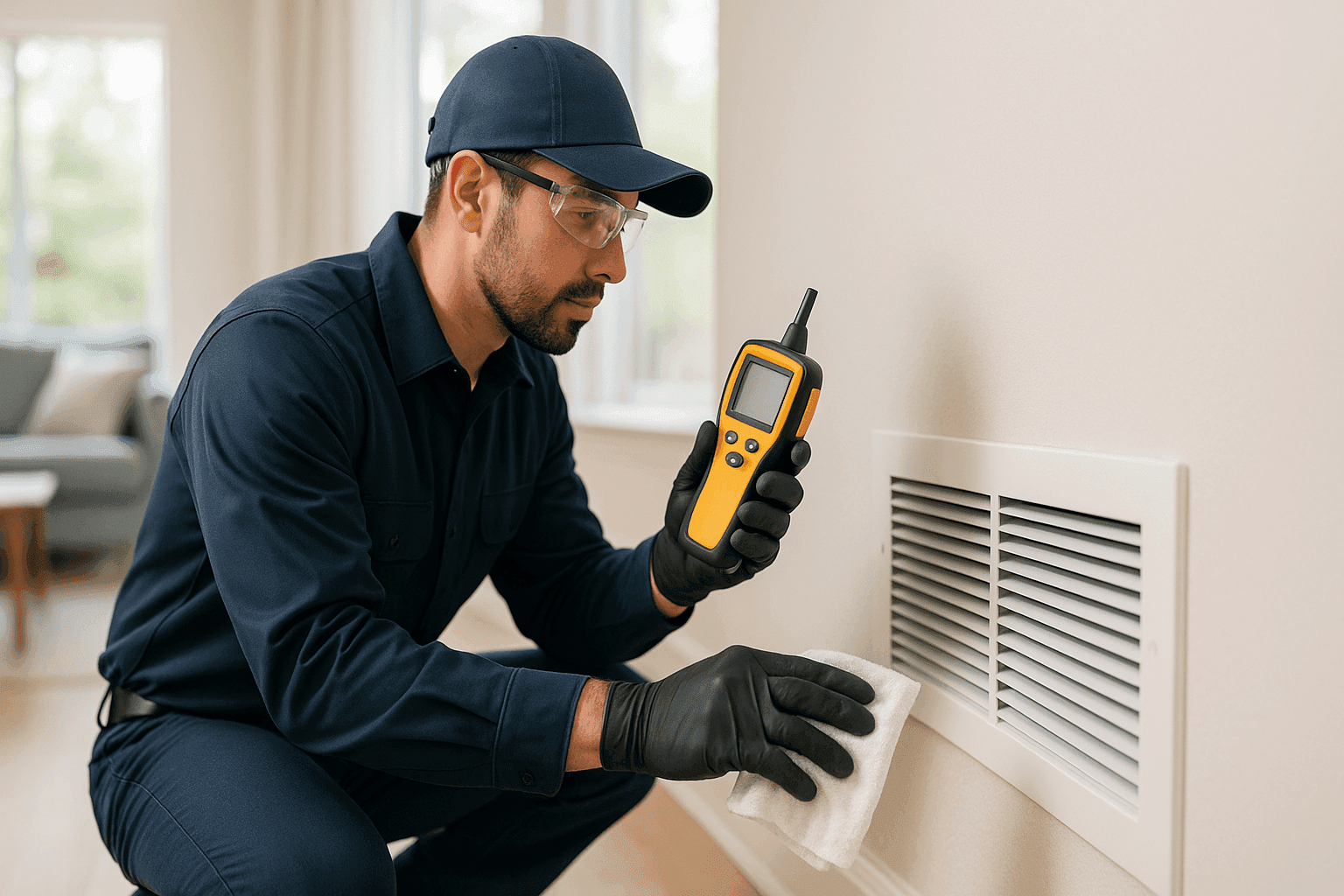
Is your home supposed to be your haven, but you’re constantly fighting sneezes, itchy eyes, and a thin layer of dust settling on every surface? You’re not alone. Allergens and dust can creep into every corner—especially during heating season. At I.Z. Heating, we help families breathe easier with proven solutions for cleaner indoor air.
If you’ve tried everything from new vacuums to endless dusting but still can’t get relief, it’s time to look deeper. Let’s break down the best ways to reduce dust and allergens, right from the source.
Why Your Home Has Dust and Allergens
Picture your home as a set of lungs. Every vent, filter, and carpet fiber can either help you breathe easy or trap the stuff that makes you miserable. Dust isn’t just dirt—it’s a mix of skin cells, pollen, pet dander, and even mold spores. Add in seasonal changes and heating use, and indoor air quality (IAQ) can take a hit.
Allergens aren’t just an annoyance. According to the EPA, poor IAQ can worsen asthma, allergies, and even your sleep. Homes with outdated filters, leaky ducts, or neglected maintenance are especially at risk.
Quick Safety Checklist 🛑
- Change your HVAC or furnace filter every 1–3 months, or more during heavy use.
- Keep vents, returns, and registers clear of furniture and dust.
- Don’t ignore persistent odors, musty smells, or visible mold—these are red flags.
- Never block air intakes with drapes, rugs, or boxes.
- Make sure your heating system is inspected annually by a qualified technician.
DIY Steps vs. When to Call a Pro
Some chores are simple, but others hide out of sight. Here’s where to start—and when to get help.
What You Can Do
- Vacuum weekly using a HEPA-filter vacuum, especially if you have pets.
- Wipe hard surfaces (floors, shelves, window sills) with damp cloths to trap dust instead of spreading it.
- Wash bedding and curtains in hot water at least every two weeks.
- Switch to minimal carpets and area rugs—hard floors are easier to keep allergen-free.
- Maintain humidity between 30–50% with a humidifier or dehumidifier to discourage dust mites and mold.
When It’s Time for a Pro
- Ducts haven’t been cleaned in years, or you see visible dust blowing from vents.
- Allergies persist despite regular cleaning.
- You suspect mold, strange smells, or uneven heating.
- HVAC system is over 10 years old or hasn’t had a recent checkup.
What Pros Do On Arrival
When you call I.Z. Heating for IAQ Testing near you, you’re not getting a quick glance and a guess. Here’s what a thorough visit looks like:
- IAQ Testing: We sample and analyze your air for common allergens, particulates, VOCs (volatile organic compounds), and moisture levels.
- Duct Inspection and Cleaning: Using specialized cameras and tools, we check for blockages, leaks, and buildup. Then, our duct cleaning service removes years of dust and debris.
- Filter Upgrades: We assess your current filters and recommend higher MERV-rated options for better capture of fine particles.
- Humidity Assessment: We’ll recommend dehumidifiers, humidifiers, or other solutions to keep your home in the healthy zone.
- System Air Balancing: Ensuring air moves evenly so dust and allergens don’t settle in “dead zones.”
- Product Recommendations: Air scrubbers, whole-house fans, and advanced filtration options for homes with extra needs.
Every solution is tailored to your home—no cookie-cutter fixes.
Proven Ways to Minimize Dust and Allergens
Let’s get practical. Here’s what really makes a difference, and how often to do it:
1. Upgrade Your Filters
- Use high-efficiency pleated filters (MERV 8–13) for your heating and air systems.
- Change filters every 1–3 months, or more often in high-dust or pet homes.
- Mark your calendar—don’t wait for the filter to look dirty.
2. Schedule Regular Duct Cleaning
- Every 3–5 years, or sooner if you notice dust, mold, or pests.
- Duct Cleaning removes what vacuums can’t touch.
- Follow NADCA (National Air Duct Cleaners Association) guidelines for safety and effectiveness.
3. Control Humidity
- Keep indoor humidity between 30–50% year-round.
- Use dehumidifiers in damp basements; humidifiers in dry, heated rooms.
- Monitor with a simple hygrometer.
4. Clean Smart, Not Hard
- Dust with microfiber cloths—old T-shirts just move dust around.
- Mop hard floors weekly.
- Wash bedding in hot water to kill dust mites.
- Bathe pets regularly and keep them off upholstered furniture if possible.
5. Minimize Carpets and Soft Surfaces
- Replace wall-to-wall carpet with hard flooring wherever possible.
- Use washable area rugs and clean them monthly.
- Choose leather or washable slipcovers for couches.
Prevention & Maintenance
The best strategy is to make dust and allergens unwelcome guests. Here’s how:
- Seal leaks around doors and windows to keep outdoor pollen and dust out.
- Install whole-house fans to improve ventilation during mild weather.
- Add air scrubbers for extra-sensitive households.
- Schedule annual HVAC and heating maintenance with I.Z. Heating to spot issues early.
Routine care means less buildup and fewer surprises.
Costs & Time Factors
Reducing dust and allergens is an investment in your comfort and health. Here’s what to expect:
- Filter upgrades: Minimal cost, easy DIY or included in maintenance.
- Duct cleaning: Professional service, typically 2–6 hours depending on home size.
- IAQ testing: Quick diagnostics, often done in under 2 hours.
- Product installations (like air scrubbers or dehumidifiers): Usually done in one visit.
Small steps add up. Most families notice improvement in days—sometimes even after a single cleaning or filter change.
When It’s an Emergency
Sometimes, dust and allergens are more than a nuisance—they’re a sign of a bigger problem:
- Sudden, severe allergy symptoms in multiple people.
- Visible mold in ducts or on walls.
- Burning smells, smoke, or persistent musty odors.
- Heating system runs constantly or stops working.
Don’t wait. Call for 24-hour emergency service if you suspect a health hazard or heating failure.
FAQ: Common Questions
How do I know if my ducts need cleaning?
If you see dust blowing from vents, smell musty odors, or notice a spike in allergies, it’s time. NADCA recommends cleaning every 3–5 years.
What’s the best filter for allergies?
High-MERV pleated filters (MERV 8–13) capture smaller particles. Check your system’s specs before upgrading.
Can humidity really affect allergies?
Absolutely. Dust mites and mold thrive in high humidity. The CDC recommends keeping levels at 30–50%.
How often should I get IAQ testing?
Annually, or when moving into a new home, after renovations, or if health symptoms persist.
Local and Seasonal Considerations
Heating season means closed windows—and more trapped air. In Charleston, West Virginia and throughout the region, pollen peaks in spring and fall, while winter brings dry, heated air that stirs up dust. Charleston, West Virginia Indoor Air Quality is a year-round concern, especially with changing weather. Schedule maintenance before the seasons shift to stay ahead of indoor allergens.
Ready to clear the air in your home? Call I.Z. Heating now — or reach us anytime at 844-403-0449 .