How Humidifiers Can Solve Dry Winter Air Problems
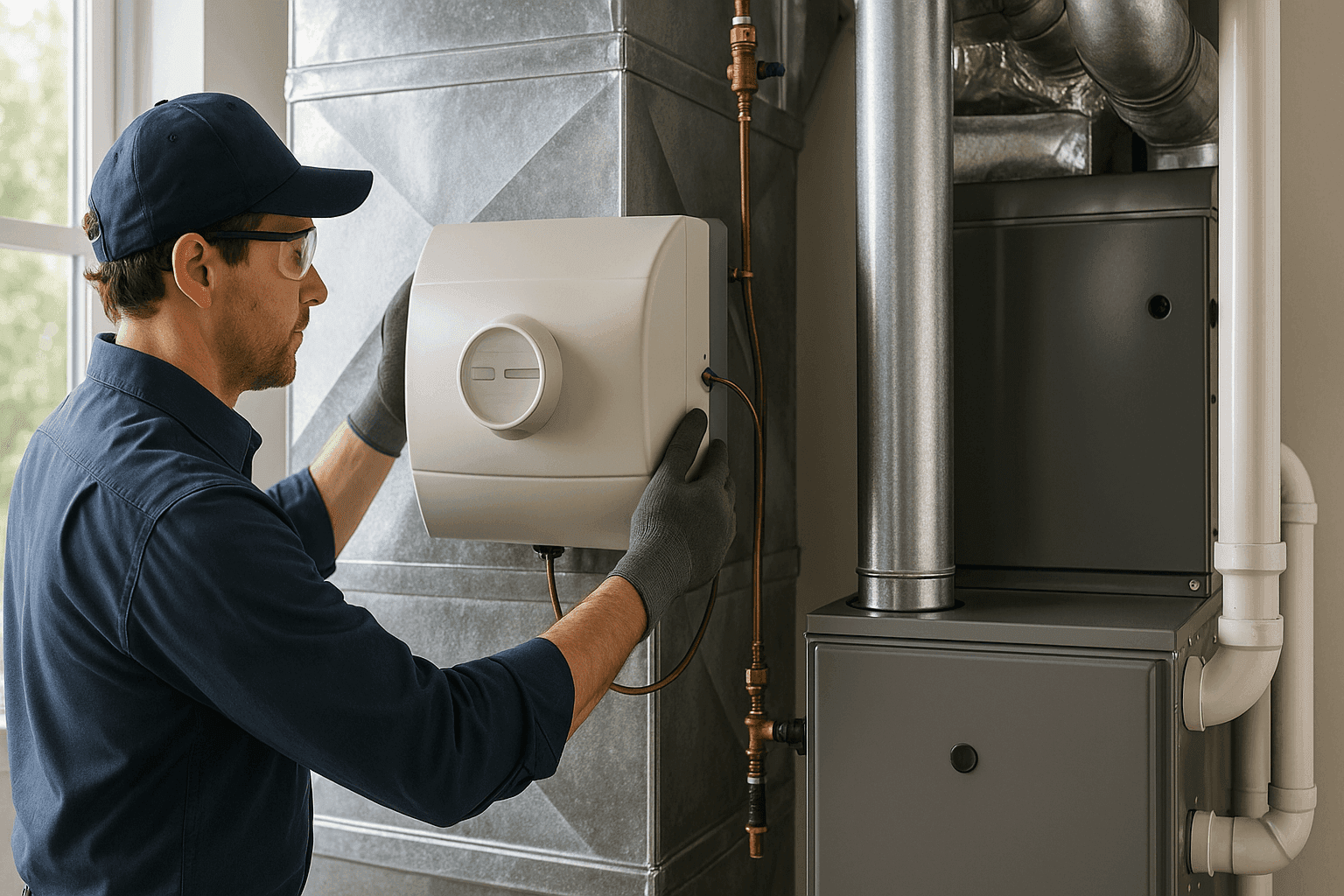
Winter arrives. The heater hums along, keeping your family warm. But as the cold outside sneaks in, the air inside your home turns bone-dry. Skin itches. Noses bleed. Wood floors creak like old ships. It’s not just uncomfortable—dry air can actually damage your health and home.
At I.Z. Heating, we know what it’s like to face these winter woes. We've helped countless families banish dry air blues. Let’s break down why this happens—and how a well-installed humidifier can bring back comfort and balance.
How Dry Air Impacts Your Health, Comfort, and Home
Imagine your home as a living organism. In winter, forced-air heating systems can strip away moisture like a desert wind, leaving everything parched.
Health Issues
- Dry Skin & Lips: Your skin loses moisture fast, becoming flaky or cracked.
- Sinus Trouble: Dry nasal passages make you more prone to nosebleeds, sore throats, and those all-too-familiar winter sniffles.
- Static Shock: Ever touch a doorknob and feel that zap? That’s low humidity at work.
- Sleep Disruption: Parched airways can worsen snoring and nighttime coughing.
Comfort Concerns
- Cold That Bites: Dry air actually feels colder, making your heating system work harder.
- Annoying Static: Clothes stick together. Hair stands on end. Electronics can even suffer damage from repeated shocks.
Home Hazards
- Wood Damage: Floors, doors, and furniture can crack or warp as they lose moisture.
- Dying Plants: Houseplants droop, leaves shrivel, and growth slows.
- Gaps in Flooring: Hardwood contracts, leaving ugly gaps and creaks.
The U.S. Environmental Protection Agency (EPA) recommends keeping indoor humidity between 30% and 50%. Outside this range, you’re inviting problems.
Quick Safety Checklist for Humidifier Installation ✅
Before adding or upgrading a humidifier, always:
- Check for existing mold or water damage. Humidifiers should never mask leaks or underlying moisture issues.
- Ensure your heating system is in good working order.
- Use only distilled or filtered water in portable units to limit mineral buildup.
- Follow all manufacturer instructions and local building codes.
- Install carbon monoxide detectors if you use combustion-based heating.
- Schedule IAQ Testing near you to assess baseline air quality.
DIY Humidifiers vs. Professional Installation
You might see simple tabletop humidifiers at the store. Plug them in, fill with water, and go. But for whole-home comfort, there’s a world of difference between these gadgets and a professionally installed system.
Portable (DIY) Humidifiers
- Pros: Affordable. Easy to move from room to room.
- Cons: Limited coverage; you’ll need one in every major living space. Frequent refilling and cleaning required.
Whole-House Humidifiers
- Pros: Connect directly to your heating system, delivering balanced moisture to every room.
- Cons: Higher upfront cost. Requires professional installation and regular maintenance.
Whole-house systems are like the central heating of humidity—set it and forget it, with benefits you’ll feel everywhere.
What the Pros Do On Arrival
When you call I.Z. Heating for a humidifier installation, here’s what you can expect:
- IAQ Testing and Assessment: We use industry-standard tools to check your current humidity levels and identify any underlying issues. (Learn more about indoor air quality.)
- System Selection: We recommend the right size and type of humidifier—bypass, fan-powered, or steam—based on your home’s size and heating system.
- Safe Installation: Our technicians follow manufacturer specs and local codes, ensuring safe water hookups and electrical connections.
- System Balancing: We calibrate your humidifier and heating system so they work in harmony.
- Education: We show you how to adjust settings, refill reservoirs, and perform basic maintenance.
How to Prevent Issues & Maintain Your Humidifier
Just like a car, a humidifier needs regular TLC.
- Change water panels or filters every season. Mineral buildup can block moisture flow.
- Clean the tank and components monthly to prevent mold and bacteria.
- Monitor humidity levels using a hygrometer. Too much moisture invites mold—keep it in the EPA-recommended range.
- Schedule annual maintenance as part of your routine heating maintenance.
For detailed care guidelines, refer to resources from the EPA or your humidifier’s manufacturer.
Costs & Time Factors (No Quotes)
Upfront, portable humidifiers are less expensive but cover less space. Whole-house systems have a higher initial cost but save money in the long run by protecting your home and improving comfort throughout the winter.
- Installation Time: A typical professional install takes 2–4 hours.
- Maintenance: Budget a few minutes monthly and one professional service yearly.
Remember: investing in a humidifier is like buying insurance for your comfort, health, and home.
When It’s a Humidity Emergency
Sometimes, dry air escalates from “annoyance” to “problem you can’t ignore.”
- Sudden nosebleeds or respiratory issues affecting family members.
- Noticeable cracks in wood or peeling paint.
- Static so strong it zaps you every time you touch metal.
If dry air is causing health symptoms or damage, don’t wait. Fast action protects your family and your investment.
FAQ: Humidifiers & Winter Dryness
How do I know if my home needs a humidifier?
Common signs include dry skin, frequent static shocks, wilting houseplants, or cracking woodwork.
Can I add a humidifier to any heating system?
Most forced-air systems can accommodate a whole-house humidifier. For radiant or baseboard heating, portable units are usually best.
How do I measure my home’s humidity?
A simple digital hygrometer gives you real-time readings. Aim for 30–50%.
Will a humidifier help with allergies?
Balanced humidity can ease allergy symptoms by keeping airways moist, but always consult your doctor for specific health concerns.
Local & Seasonal Considerations 🌱
Even if you don’t see snow outside your window, indoor air can dry out whenever the heat is on. In climates with long heating seasons, the need for a humidifier grows. If you live where winter is short but intense, a portable unit may be enough.
Residents of Brunswick can learn more about local solutions here: Humidifiers.
Ready to breathe easier—and protect your home from winter’s dry grip?
Call I.Z. Heating now — or reach us anytime at 844-403-0449 .