Heating System Noises: What’s Normal and What’s Not?
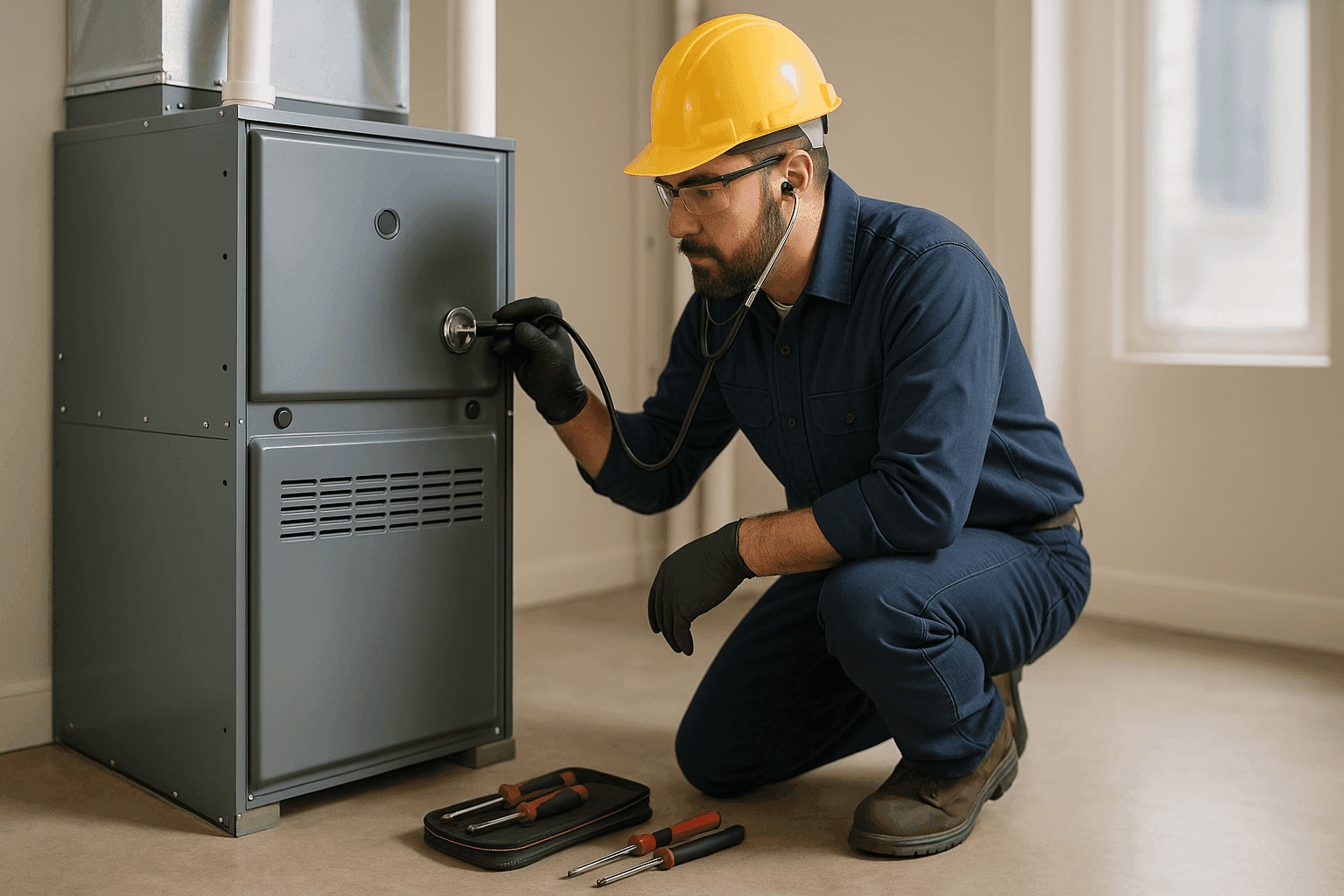
Does your heating system have a story to tell—one that comes in the form of rattles, pops, or mysterious hums? When your house gets quiet, those noises can sound a lot louder, and sometimes, a lot more worrying.
At I.Z. Heating, we’ve heard it all: the harmless whir of a motor, the sharp bang that jolts you awake, and everything in between. Knowing which sounds are just your system doing its job—and which are warning signs—can help you avoid stress, headaches, and costly breakdowns.
What’s That Noise? Common Heating System Sounds 🛠️
No two heating systems sound exactly alike. But most fall into a handful of categories. Here’s what you might hear, and what it could mean:
Humming
A soft, steady hum is often just the sound of your blower motor or transformer working. Like the quiet buzz of a refrigerator at night, this is usually nothing to worry about. If the hum grows louder or turns into a vibration, though, it could signal an electrical issue or a motor struggling to keep up.
Popping
Hear a series of pops when your system kicks on? That’s often ducts expanding or contracting as they heat up or cool down. Think of it like settling into a creaky old wooden chair. Occasional popping is normal, especially in older ductwork. But if the popping is loud, frequent, or starts out of nowhere, it could mean dust or debris is stuck, or your ducts are undersized.
Rattling
A rattling sound—like loose change in the dryer—usually points to something that’s come unfastened. It could be a loose panel, a screw, or even debris in the blower fan. Rattling might start small, but if ignored, it can shake loose other parts and lead to bigger repairs.
Banging
A single bang or clang, especially when your furnace starts or stops, is a red flag. It’s the heating system’s way of shouting for help. This could signal ignition delays, pressure changes, or even a cracked heat exchanger. Don’t ignore this one.
Squealing or Screeching
High-pitched squeals are often related to belts, bearings, or blower motors. Imagine your car’s brakes when they need attention. Squealing in your heating system means something’s not running smoothly and could fail soon.
Whistling
If your system whistles, it’s usually air being forced through a tight spot—a clogged filter, closed vent, or leaky duct. Like wind whistling through a cracked window, it means air isn’t moving as it should.
Quick Safety Checklist: Pause Before You Panic
- Smell gas? Evacuate and call your utility’s emergency line immediately.
- Hearing rapid, repeated banging or booming? Turn off your system and call a professional.
- Notice smoke, burning smells, or scorched wiring? Shut down the heater and seek help.
- If in doubt, turn off your heating system at the thermostat and breaker.
DIY or Call a Pro: What’s Safe to Check Yourself?
Some noises are simple fixes. Others aren’t worth the risk. Here’s how to tell:
Safe to DIY:
- Changing a dirty filter
- Tightening visible access panels with a screwdriver
- Checking that vents and registers are open and unobstructed
Call a Pro If:
- The noise is sudden, loud, or new
- You hear banging, screeching, or grinding
- There’s a burning smell, or you see scorch marks
- The system won’t start, or turns off unexpectedly
Still not sure? When in doubt, put safety first. A trained technician from I.Z. Heating can pinpoint the issue quickly and safely. Learn more about our heating repair services.
What Pros Do On Arrival
When you call I.Z. Heating, here’s what to expect:
- Listen to your description and the system itself
- Inspect for loose, broken, or worn parts
- Test electrical connections and safety controls
- Check airflow, gas pressure, and ignition
- Evaluate ductwork for leaks or blockages
- Provide a clear explanation and options—no surprises
We follow local code and industry standards recommended by authorities like the Air Conditioning Contractors of America (ACCA) and the National Fire Protection Association (NFPA).
Prevention & Maintenance: Keep Noises at Bay
The best way to stop those worrisome noises? Routine care. Here’s what helps:
- Change filters every 1–3 months
- Schedule seasonal heating maintenance before cold weather
- Have your ducts cleaned and checked for leaks
- Balance airflow in your home to prevent pressure issues
- Ask about IAQ Testing near you to reduce dust and allergens
Regular maintenance keeps your system running smoothly and can catch small issues before they become expensive headaches.
Costs & Time Factors: What to Expect
Repair costs and timing depend on the noise and the cause:
- Simple fixes (tightening panels, replacing filters): usually quick and affordable
- Component replacements (motors, belts, ignitors): more involved, but often same-day
- Major repairs (heat exchangers, ductwork, electrical): may take longer and cost more
A prompt visit now can mean a smaller bill later. Delaying repairs allows small problems to snowball, sometimes doubling or tripling the eventual cost.
When It’s an Emergency
Some noises mean “stop now”—not tomorrow:
- Loud banging, booming, or grinding
- Smell of gas or burning
- Heater shuts off abruptly or won’t start
- Electrical sparking or smoke
These need urgent help. If you’re in a bind, I.Z. Heating offers 24-hour emergency service. For those in the area, find Heating Repair near me.
FAQ: Your Heating System Noises Answered
Is a little noise normal?
Yes. Most systems have a gentle hum or occasional pop. But loud, persistent, or new noises should be checked.
Can I ignore a rattling sound?
Not a good idea. Rattling usually means something’s loose. Left alone, it can get worse and damage other parts.
Are popping ducts dangerous?
Not always. Mild popping is common, but loud or new popping should be checked—especially if your system is old.
How can I reduce noise?
Regular maintenance, clean filters, and well-sealed ducts are key. Professional air balancing can also help.
Local and Seasonal Considerations
In colder months, systems work overtime—which means noises can get louder or more frequent. Dust, insulation, and even rodent activity can play a role. After a long summer, always check filters and ducts before first use. If you’ve recently had home renovations, extra dust or debris could be in your system. A quick IAQ Testing near you can help keep your air clean and your system quiet.
Your heating system shouldn’t keep you up at night—whether from cold or concern. If you’re hearing anything unusual, don’t wait for it to get worse. Call I.Z. Heating now — or reach us anytime at 844-403-0449 .