Heating Repair: What’s Covered by Warranty?
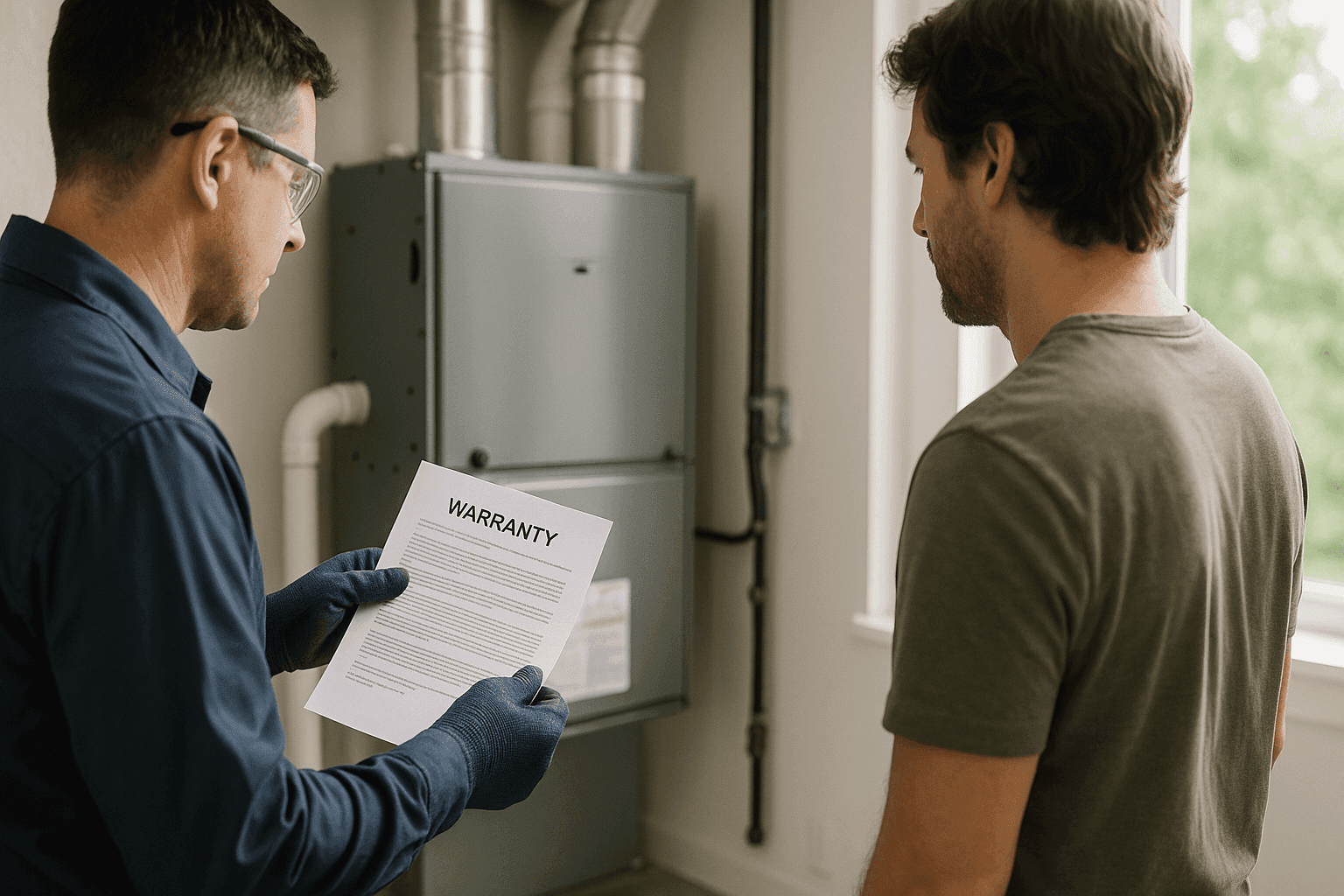
Feeling the chill at home can be more than uncomfortable. When your heating system sputters or stops, the last thing you want is confusion about what your warranty covers. At I.Z. Heating, we get plenty of calls from homeowners asking, “Is my repair covered?” You’re not alone—and you’re asking the right questions.
Knowing the basics about heating warranties can save you money, stress, and time. Let’s break down what’s usually covered, what’s not, and how you can be prepared before you need a repair.
Why Warranties Matter for Heating Repairs 🛠️
A home heating warranty is like a safety net. It’s there to catch you if something goes wrong—but not every net is the same size. Some warranties only cover the ropes (parts), while others cover the hands that fix them (labor). If your furnace, radiant heating, or air handler needs attention, your warranty can make the difference between a minor hiccup and a major headache.
The Real-World Scenario
Imagine it’s a freezing night. Your furnace clicks, hums, then… silence. If your warranty covers the faulty part and the repair labor, you’ll pay less out of pocket. If not, you could face an unexpected bill—right when you least expect it.
Safety First: Your Quick Checklist
Before you do anything, safety comes first. Here’s what to check:
- Smell gas? Leave your home immediately and call emergency services.
- Power off the system at the breaker before inspecting.
- Don’t touch electrical components if you’re unsure.
- Check your thermostat—sometimes the fix is as simple as new batteries.
- Make sure air vents and returns are clear of furniture and debris.
- If you hear banging or see sparks, don’t try DIY fixes.
If you’ve run through this list and things still aren’t working, it’s time to dig into your warranty.
What’s Usually Covered by Home Heating Warranties?
Warranties can feel like a maze, but most follow a pattern. Here’s what’s typically included:
Parts
- Heat exchangers (often covered for 10–20 years)
- Blower motors
- Circuit boards
- Thermostats (if factory-installed)
- Ductwork (if installed by the manufacturer’s authorized team)
Labor
- Some manufacturers cover labor, but usually only for the first one to five years.
- Labor coverage may require registration of the system within a specific time after installation.
Additional Components
- Filters or air scrubbers, if included in the original installation.
- IAQ Testing near you may be included in maintenance agreements but is rarely covered by the standard warranty.
What’s NOT Covered? Common Exclusions
Warranties have fine print. Here’s what’s usually not included:
- Improper installation (if not performed by certified pros)
- Damage from lack of maintenance (skipping regular service voids coverage)
- DIY repairs or unauthorized modifications
- Normal wear and tear (like filters, belts, or cosmetic issues)
- Power surges or lightning strikes
- Rust, corrosion, or damage from water leaks
Manufacturer rules matter. The International Residential Code (IRC) and local safety codes often require that repairs and installations be performed by licensed professionals—another reason not to go it alone.
How Long Do Heating Warranties Last?
- Parts: Commonly 5–10 years; some heat exchangers up to 20 years or “lifetime.”
- Labor: Usually 1–5 years, and often only if registered.
- Extended warranties: Some brands offer extra coverage for a fee.
Check your original paperwork or the manufacturer’s site for specifics.
How to Check Your Warranty Status
Don’t wait until you’re shivering in the middle of the night. Here’s how to verify your warranty:
- Locate the model and serial number (usually inside the unit’s front panel or on the side).
- Find your proof of purchase—an invoice or installation receipt.
- Check your registration status—some warranties require you to register within 30–90 days of installation.
- Contact the manufacturer, or ask your installer (like I.Z. Heating) to help interpret the coverage.
Keep all paperwork in a safe spot. If you can, scan and save digital copies.
Documentation You’ll Need
When you call for heating repair, have these ready:
- Original installation invoice
- Warranty registration confirmation, if available
- Serial and model number of your heating equipment
- Maintenance records (especially for annual tune-ups)
Lack of documents can slow down your claim. Think of it as packing your bag before a trip—you’ll be glad you did it in advance.
DIY Fixes vs. Calling a Pro
Some issues are simple—like flipping a breaker or changing a thermostat battery. But most heating problems, especially those that risk voiding your warranty, need a licensed hand.
DIY:
- Adjusting the thermostat
- Replacing air filters
- Checking for tripped breakers
Call a Pro:
- Anything involving gas, wiring, or flames
- Noises, leaks, or system shutdowns
- When in doubt, play it safe—your warranty often requires professional service.
For more on what’s involved, see our heating-repair and furnace-repair service pages.
What Pros Do When They Arrive
A certified technician will:
- Inspect the system and verify model/serial numbers
- Review your warranty status and documents
- Diagnose the issue according to manufacturer guidelines
- Use approved replacement parts
- Follow local codes and safety standards
You’ll get a clear explanation of what’s covered, what’s not, and next steps. This protects both your system and your wallet.
Prevention & Maintenance: Keep Your Coverage Intact
Regular maintenance is often a requirement for warranty coverage. Here’s what to do:
- Schedule annual heating tune-ups
- Change filters as recommended (monthly to quarterly)
- Keep records of all service visits
- Ask your tech about IAQ Testing near you and air balancing for better performance
A well-maintained system is less likely to break down—and more likely to be covered if it does.
Costs & Time Factors
Warranties are helpful, but not all repairs are free. Here’s what affects your bill:
- Parts: Covered parts are usually free, but shipping or expedited delivery may cost extra.
- Labor: If not covered, expect to pay for the technician’s time. Rates vary by location and time of service.
- Diagnosis fees: Some warranties only cover the repair, not the initial inspection.
- Emergency calls: After-hours or urgent repairs may cost more, even if parts are under warranty.
Repairs can take anywhere from an hour to a few days, depending on part availability.
When It’s an Emergency ❗
If your heating breaks down during a cold snap, it’s an emergency—especially for families with young children or elderly members. Here’s what to do:
- Call for 24 hour emergency service immediately.
- Move to a warmer area if indoor temps drop below safe levels (about 60°F/16°C).
- Never use a stove or oven for heat—carbon monoxide is deadly.
- Keep warranty documents and service numbers handy.
Our Harker Heights, Texas Heating Repair team is available for urgent situations.
FAQ: Heating Warranty Questions
Q: Does my warranty cover annual maintenance?
A: Usually not. Maintenance keeps your warranty valid but is rarely included.
Q: Can I transfer my warranty to a new homeowner?
A: Some manufacturers allow transfer within a set period—check your paperwork.
Q: What if I use a non-certified repair service?
A: This often voids your warranty. Always use licensed technicians.
Q: Are thermostats covered?
A: Only if installed as part of the original system—aftermarket upgrades are rarely covered.
Local and Seasonal Considerations
Winter in Texas can be unpredictable. Sudden cold snaps put extra strain on heating systems. Dust, pollen, and humidity also impact HVAC performance and can lead to warranty issues if not addressed with regular maintenance like duct cleaning, filters, and dehumidifiers.
If you’re in a region with wide temperature swings, consider a home energy audit—it’s a smart way to spot trouble before it starts.
The Bottom Line
Understanding your heating warranty is just as important as having the right system in place. Don’t wait for a breakdown to hunt for paperwork or guess what’s covered. Review your documents, schedule regular maintenance, and always choose certified service. It’s the best way to keep your home safe, warm, and protected.
Call I.Z. Heating now — or reach us anytime at 844-403-0449 .