Furnace Repair or HVAC Repair: What’s the Difference?
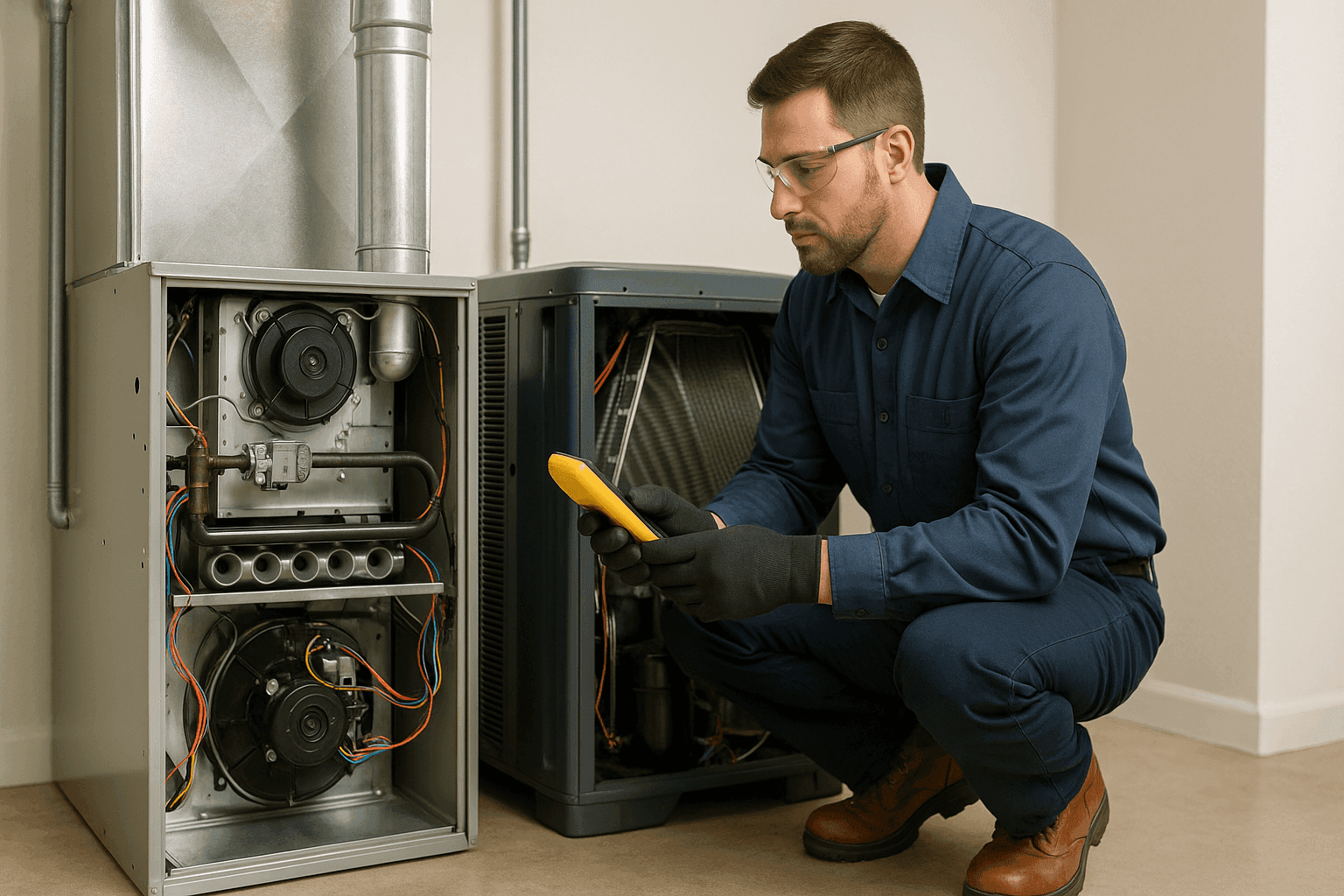
Have you ever woken up shivering in the middle of winter, wondering if your heating is about to give out? Or maybe the air in your house just doesn’t feel right—too stuffy, too cold, or just plain off. When something’s wrong, it’s natural to want answers fast. But before you call for help, it pays to know: Do you need furnace repair, or is it an HVAC problem?
At I.Z. Heating, we know the difference isn’t just technical—it can save you time, money, and headaches. Here’s how to tell what’s what, and what to do next.
Furnace vs. HVAC: What’s the Real Difference?
Think of your home’s heating like a car. The furnace is the engine—it creates the heat. The HVAC system is the whole car: engine, wheels, steering, and all the parts that move air, clean it, or cool it down.
- Furnace: Heats your air or water for warmth.
- HVAC (Heating, Ventilation, and Air Conditioning): Covers your furnace, plus air conditioning, ductwork, fans, filters, and sometimes extras like air quality systems.
If your home isn’t warm, it could be just the furnace. But if you have problems with airflow, temperature swings, or weird smells, the issue might be bigger—an HVAC repair.
Typical Furnace Repairs 🛠️
Furnaces are sturdy but have their weak spots. Common issues include:
- Ignition problems: The furnace won’t start, or cycles on/off too often.
- Blower failures: No air comes out of the vents.
- Thermostat troubles: The furnace runs but doesn’t reach the set temperature.
- Unusual noises: Rattling, banging, or high-pitched squealing.
Any of these can leave you in the cold. Some are quick fixes; others need a pro.
Typical HVAC Repairs
The HVAC system is like a network of highways and tunnels. Problems can pop up anywhere along the route:
- Clogged filters: Reduced airflow, dust, and poor indoor air quality.
- Leaky ductwork: Hot or cold spots in your home.
- Malfunctioning thermostats: Systems that don’t follow your settings.
- Fan or motor issues: Weak airflow or no air movement at all.
- Electrical issues: Tripped breakers, flickering power, or system shutdowns.
You might also notice humidity problems, stale air, or even odd smells—these can point to deeper HVAC issues, not just the furnace.
How to Tell Which System Needs Work
Stuck? Here are some clues:
- No heat, but the fan runs: Likely a furnace problem.
- No airflow at all: Could be the HVAC (fan, blower, or ductwork).
- Hot/cold spots: Duct issues or air balancing needed.
- Musty smells: Check for duct or filter problems.
- Short cycling (system turns on/off quickly): Could be thermostat, furnace, or HVAC controls.
When in doubt, jot down what you see, hear, and feel. That info helps your technician pinpoint the issue fast.
What to Tell Your Technician
A clear description goes a long way. Share:
- When the problem started (sudden or gradual?)
- Any strange noises, smells, or leaks
- Thermostat settings and what actually happens
- Any recent electrical issues or storms
- Maintenance history (last time filters or ducts were cleaned)
Having this info ready can shorten repair times and avoid extra visits.
Quick Safety Checklist
Before you do anything else:
- Smell gas? Leave your house immediately and call emergency services.
- Electric sparks or burning smells? Shut off the unit at the breaker.
- No heat in freezing weather? Bundle up, use safe space heaters, and call for 24 Hour Emergency Service.
- Pilot light out? Follow manufacturer instructions, or call a professional.
Never take risks with gas or electricity. Your safety comes first.
DIY or Call a Pro?
Some things you can check yourself:
- Change dirty filters.
- Make sure vents and registers are open.
- Check the thermostat batteries and settings.
- Reset breakers if tripped.
But if you’re facing:
- Persistent no-heat issues
- Electrical problems
- Water leaks from the furnace or air handler
- Unusual noises or burning smells
It’s time to call in the professionals. Modern systems are complex—a mistake can make things worse, or even void your warranty.
What Pros Do On Arrival
When an I.Z. Heating technician shows up, they don’t just poke around. Here’s what you can expect:
- Full-system diagnosis: We check the furnace, HVAC controls, ductwork, and even indoor air quality (IAQ Testing near you).
- Code and safety checks: Systems must meet standards set by the National Fire Protection Association (NFPA) and local codes.
- Root cause analysis: Is it a single part, or is something else causing the trouble?
- Clear communication: We explain findings in plain language and answer your questions.
This approach saves time, money, and stress.
Prevention & Maintenance
Want fewer breakdowns? Regular maintenance is key:
- Schedule seasonal checkups: Ideally, once before heating season and again before cooling.
- Change filters every 1–3 months: Dirty filters strain the system and lower air quality.
- Clean ducts every few years: Keeps airflow strong and reduces allergens.
- Test carbon monoxide detectors: Especially near gas furnaces.
- Monitor humidity: Use dehumidifiers or humidifiers as needed.
Preventive care not only avoids emergencies—it keeps your family more comfortable and your system more efficient.
Costs & Time Factors
How long will repairs take? What will it cost? It depends.
- Simple fixes: Replacing a thermostat or filter can take under an hour.
- Complex repairs: Blower motors, circuit boards, or major duct leaks may take several hours and require parts.
- Full-system issues: Diagnosing root problems takes longer but prevents repeat breakdowns.
Costs vary by part, labor, and system type. At I.Z. Heating, we provide clear estimates before work begins—no surprises.
When It’s an Emergency
Winter nights in Pennsylvania can be brutal. If your heat goes out:
- Don’t wait: Extreme cold can be dangerous, especially for children and seniors.
- Call for 24 Hour Emergency Service: We’re here when you need us most.
- Stay safe: Use layers, avoid open flames, and never use a gas stove to heat your home.
Emergencies are stressful. Fast, professional help keeps your family safe.
FAQ: Furnace & HVAC Repair
1. How often should I replace my furnace filter?
Usually every 1–3 months, depending on pets, allergies, and usage.
2. Is it safe to reset my furnace myself?
If your manufacturer’s instructions allow it and there’s no smell of gas, yes. Otherwise, call a pro.
3. Why does my heat keep turning off and on?
Short cycling could be a thermostat, dirty filter, or something more serious.
4. Can poor air quality be fixed with HVAC repairs?
Absolutely—clogged filters, dirty ducts, and malfunctioning fans are common culprits. Consider IAQ Testing near you for peace of mind.
Local & Seasonal Considerations 🏠
Drexel Hill and surrounding Pennsylvania towns face cold snaps and humid summers. That means:
- Furnace reliability matters: Don’t wait for the first freeze to check your system.
- Humidity swings: Use dehumidifiers in summer, humidifiers in winter for comfort and system health.
- Energy audits: Consider a Home Energy Audit to spot leaks and inefficiencies before they cause problems.
- Year-round maintenance: Schedule tune-ups in spring and fall for best results.
Want service from a team that knows the local climate? Check out HVAC Repair near me in Drexel Hill, Pennsylvania.
When you’re stuck between “furnace repair” and “HVAC repair,” don’t sweat it. Give I.Z. Heating a call—we’ll get your system back on track, and your home comfortable again.
Call I.Z. Heating now — or reach us anytime at 844-403-0449 .