Furnace Not Working? Step-by-Step Troubleshooting Guide
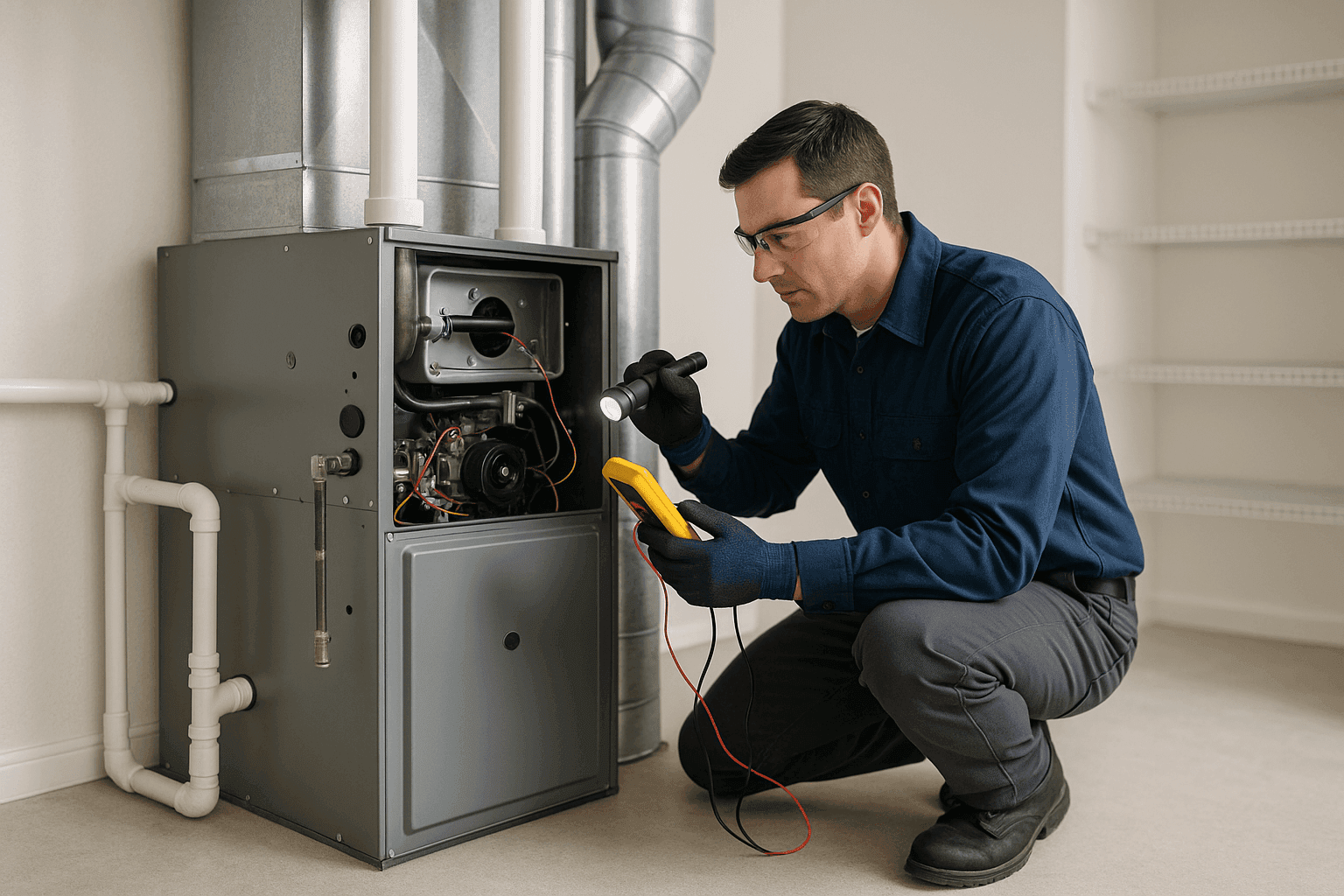
When your furnace suddenly stops working, it can feel like your whole house has turned against you. Cold air seeps in, and every minute without heat feels longer than the last. At I.Z. Heating, we know this isn’t just an inconvenience—your comfort and safety are on the line, especially during the winter months.
Before you reach for the phone, let’s walk through the most common reasons your furnace might not be working and what you can safely check yourself. We’ll also show you exactly when it’s time to call in the professionals. Whether you’re facing a simple hiccup or a real emergency, this guide has you covered.
Common Symptoms of Furnace Problems
Recognizing the clues your furnace gives can save you time, money, and discomfort. Here are the most frequent signs something’s off:
- No heat at all: The thermostat is set, but there’s no warmth coming out.
- Furnace blowing cold air: Air is moving, but it feels like an open window in January.
- Strange noises: Banging, rattling, or squealing—sounds that weren’t there before can mean trouble. 🛠️
- Frequent cycling: Furnace turns on and off quickly, never really heating the house.
- Pilot light out or flickering: On older models, the pilot should burn steady and blue.
- Unusual smells: Musty, burning, or gas odors can indicate serious issues.
If you notice any of these, don’t ignore them. Your furnace is trying to get your attention.
Safety First: Power and Gas Checks
Whenever you’re dealing with a furnace, safety comes before all else. Before you do anything, run through this checklist:
- Turn off power: Shut off the furnace at the breaker box before inspecting or touching any internal parts.
- Check the gas supply: Make sure the gas valve is open. Never attempt repairs if you smell gas—this is an emergency.
- Ventilation: Ensure the area around the furnace is clear of boxes or debris, especially anything flammable.
- Listen and smell: If you hear hissing or smell rotten eggs, evacuate immediately and contact your gas provider.
⚠️ Important: If you suspect a gas leak or carbon monoxide issue, leave your home and call emergency services right away. The National Fire Protection Association (NFPA) recommends installing CO detectors near sleeping areas and having fuel-burning appliances inspected annually.
Thermostat Settings to Verify
Sometimes, the solution is as simple as a quick thermostat check. It’s like double-checking that the oven’s set to “bake” and not “broil.”
- Set to “heat”: Make sure your thermostat is actually set to “heat,” not “cool” or “off.”
- Temperature setting: Confirm the set temperature is higher than the current room temperature.
- Batteries: Digital thermostats may stop working if the batteries are dead.
- Wiring: If you recently installed a new thermostat, improper wiring can prevent your furnace from starting.
Try adjusting the set temperature up by five degrees and listen for a click or the sound of the furnace starting up. If nothing happens—move on to the next step.
Filter Inspection and Replacement
A clogged filter can choke your system, just like a clogged nose in allergy season. It restricts airflow, causing your furnace to overheat and shut down for safety.
- Locate the filter: Usually found where the return duct enters the furnace.
- Remove and inspect: Hold the filter up to a light. If you can’t see through it, it’s time to replace.
- Replace or clean: Use the same size and type recommended by the manufacturer.
A fresh filter can make a dramatic difference. Not only will it help your furnace run better, but it also improves indoor air quality (IAQ Testing near you can help if you’re concerned about dust or allergens).
Resetting the System
Sometimes, your furnace just needs a fresh start—like rebooting your phone when it’s acting up.
- Power cycle: Turn the furnace off at the switch or breaker, wait 30 seconds, then turn it back on.
- Check for reset button: Some furnaces have a visible reset button on the blower motor. Press it once (not repeatedly).
- Wait and listen: After resetting, wait a few minutes to see if the system starts up.
If the furnace tries to start but shuts down again, there may be a deeper issue that needs professional attention.
When to Call a Professional
Some problems are too risky or complex for DIY fixes. Here’s when you should stop and call I.Z. Heating:
- You smell gas: This is an urgent emergency. Evacuate and call your gas provider.
- No power to the furnace: If the breaker keeps tripping, a licensed technician should inspect your electrical system.
- Error codes: Many modern furnaces flash error codes. If you see blinking lights or digital codes, note them and call for help.
- Loud, persistent noises: Grinding, banging, or screeching can mean broken components—running the furnace could cause more damage.
- Repeated shutdowns: If your furnace keeps turning off, it could be overheating or have a safety sensor issue.
- Any work involving gas lines or electrical wiring: According to the International Residential Code (IRC) and manufacturer guidelines, repairs to gas or electrical components should only be done by qualified professionals.
Our team is trained to handle these issues safely and efficiently. Learn more about our furnace repair services.
What Professionals Do On Arrival
When a technician from I.Z. Heating arrives, here’s how they approach a non-working furnace—step by step:
- Thorough safety inspection: Gas lines, electrical connections, and carbon monoxide levels are checked first.
- Diagnostic check: Using specialized tools, technicians test components like igniters, flame sensors, and blowers.
- System reset and calibration: If needed, the tech will reset controls and adjust settings per manufacturer specs.
- Airflow and venting check: They’ll inspect ducts and vents for blockages or leaks, ensuring safe operation.
- Written report and recommendations: You get a clear explanation of what was found and what’s needed next.
We follow all current codes and industry best practices, referencing resources like the Air Conditioning Contractors of America (ACCA) and the National Fire Protection Association (NFPA).
Prevention & Maintenance
The best way to avoid furnace troubles? Keep up with regular maintenance. It’s like changing the oil in your car—neglect it, and problems will snowball.
- Replace filters every 1–3 months (or as recommended).
- Schedule annual professional maintenance: This includes cleaning, inspection, and testing critical components.
- Keep vents and registers clear: Don’t block them with furniture or rugs.
- Consider IAQ Testing near you: Dust, allergens, and humidity all affect how well your furnace and air quality systems work.
Ask about our heating maintenance services to keep your system running strong.
Costs & Time Factors
Repair costs and downtime can vary widely. Here’s what affects both:
- Type of repair needed: Replacing a filter is quick and inexpensive; fixing a blower motor or heat exchanger can be more involved.
- Parts availability: Some components need to be ordered in, which can take time.
- Age and type of furnace: Older units may be harder to fix or less efficient.
- Emergency service: After-hours repairs, such as our 24-hour emergency service, may cost more but can be a lifesaver during a cold snap. ⏰
A typical service call can range from an hour to several, depending on the complexity.
When It’s an Emergency
Some issues can’t wait. If you experience any of the following, call for help right away:
- No heat during freezing temperatures: Risk of frozen pipes or health issues.
- Gas smell or hissing: Potential gas leak—evacuate immediately.
- Repeated tripped breakers: Could signal electrical fire risk.
- Carbon monoxide alarms going off: Leave your home and call emergency services.
Our technicians are ready for emergencies 24/7 to keep your family safe.
FAQ
How often should I replace my furnace filter?
Generally, every 1–3 months, but check monthly during heavy use.
My furnace is old—should I repair or replace?
If your system is over 15 years old and repairs are frequent, replacement may be more cost-effective.
Why does my furnace keep shutting off?
This could be a dirty filter, a faulty sensor, or overheating. Persistent shutdowns mean it’s time to call a pro.
Is it safe to relight the pilot light myself?
Relighting is usually safe if you follow the manufacturer’s instructions and don’t smell gas. When in doubt, call us.
Local/Seasonal Considerations
In our region, winter can hit hard and fast. Keeping your furnace in top shape isn’t just about comfort—it’s about safety. Schedule maintenance before the cold sets in, and know that I.Z. Heating is always nearby when you need us most. For immediate assistance, check out Furnace Repair near me.
Don’t wait until your home feels like a walk-in freezer. If your furnace is giving you trouble—or if you have questions about heating, IAQ Testing near you, or emergency repairs—help is just a call away.
Call I.Z. Heating now — or reach us anytime at 844-403-0449 .